
Occupational Therapy
Brilliant Minds Psychology provides occupational therapy for infants, children, adolescents and adults. Occupational therapists support people to participate in the activities they want or need to do, including self-care, learning, work, play, hobbies and social participation.
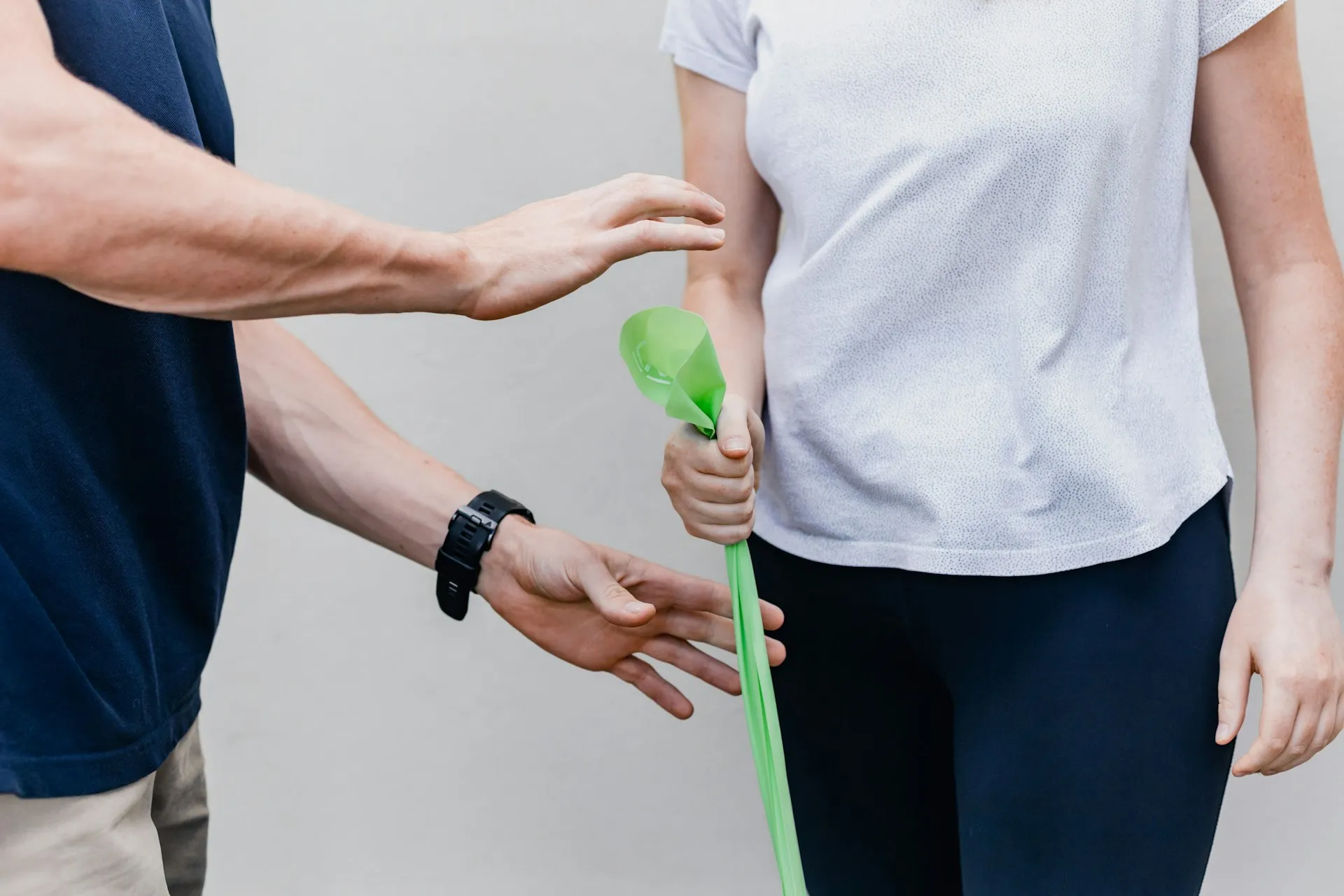
Therapy focus
What Occupational Therapy Supports
Occupational therapists support people to participate in the activities they want or need to do. This can include self-care, learning, work, play, hobbies, social participation and daily routines.
Approach
How We Work
Occupational therapy uses assessment, observation and evidence-based strategies to understand barriers to participation and support functional skill development. At BMP, clinicians provide support in clinic, via Telehealth, or in school and home environments where appropriate.
By age group
OT Support Areas
Support is tailored to the person’s age, goals, environment and everyday activities.
Infants and toddlers
- Developmental assessment and early intervention
- Motor, sensory and social skill development
- Early detection and screening
- Parent coaching and support
- Sensory processing and regulation strategies
- Standardised assessments such as ADOS and Kindy Screeners where appropriate
Children and adolescents
- Attention, organisation and learning support
- Fine and gross motor skills
- Emotional regulation and sensory processing
- Self-care, routines, toileting and mealtimes
- School readiness, transitions and participation
- Parent support and environmental recommendations
Adults
- Sensory or emotional regulation strategies
- Attention, organisation and executive functioning support
- Environmental adjustments for home or workplace
- Functional capacity assessments
- Lifestyle balance, fatigue management and stress support
Common reasons
When OT May Help
- Difficulty with dressing, washing, brushing teeth or other self-care tasks
- Handwriting concerns or avoidance of handwriting tasks
- Difficulty with play, utensils, buttons, zips or fine motor tasks
- Challenges with climbing, jumping, skipping, running or other whole-body movements
- Difficulty regulating emotions or processing sensory information
- A recommendation from a paediatrician, teacher, speech therapist, support coordinator or other health professional
Assessment options
Occupational Therapy Assessments
If you are looking for a formal OT assessment, review the available child and adult occupational therapy assessment options.
Clinic environment
Our Therapy Rooms
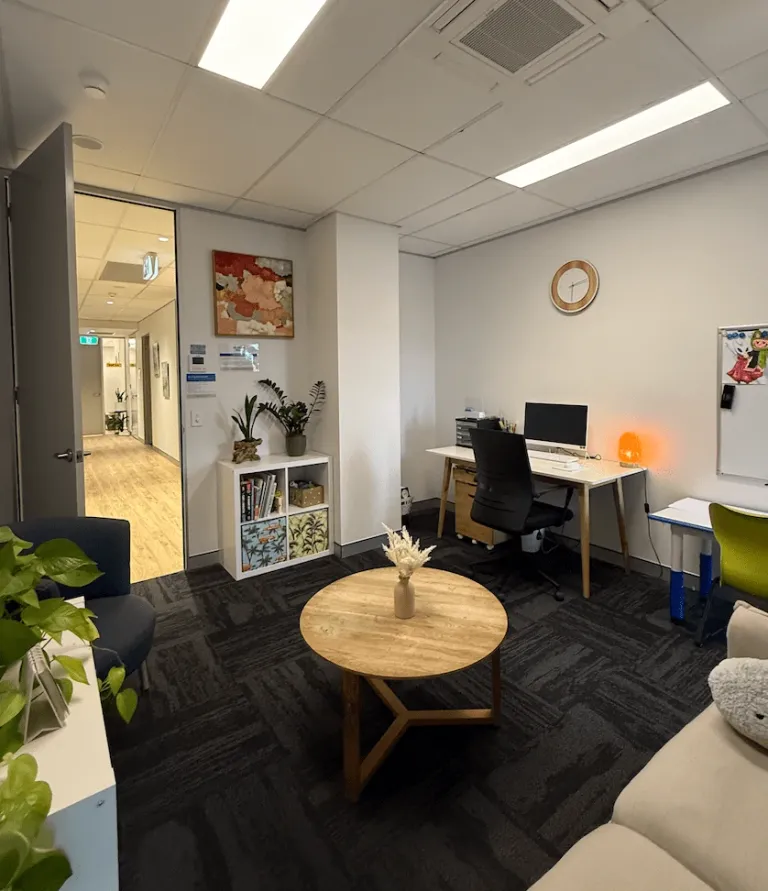
Brilliant Minds Psychology has 12 therapy rooms designed to feel comfortable and welcoming. Rooms include individual air-conditioning controls, refreshments and adjustable lighting.




Ready to talk?
Speak With the Team
Contact the team to ask a question, enquire about availability or discuss the next step.